

The evolution of gambling a historical journey through time
The Origins of Gambling
The origins of gambling can be traced back to ancient civilizations, where various forms of chance-based activities were prevalent. Archaeological evidence suggests that as early as 3000 BCE, the Chinese played rudimentary games of chance, possibly involving dice made from bones. Similarly, the ancient Greeks and Romans engaged in betting activities during athletic competitions, making gambling an integral part of their culture. These early forms of gambling not only provided entertainment but also served as a means for social interaction and community bonding. Today, with platforms like mafia casino online, players can experience many of these classic games in modern forms.
In these early societies, gambling was often intertwined with religious practices. For instance, the Greeks believed that certain games of chance were a way to communicate with the gods. The Romans took gambling a step further by institutionalizing games like dice and betting on gladiatorial contests. These practices set the groundwork for the diverse forms of gambling that would evolve in the centuries to follow, highlighting the cultural significance gambling held across different societies.
As time progressed, gambling began to formalize. The establishment of rules and the introduction of dedicated spaces for wagering marked a pivotal shift. By the Middle Ages, gambling had spread throughout Europe, with card games gaining popularity, particularly in the courts of nobility. This period laid the foundation for what would eventually become modern casino games, illustrating how gambling has always adapted to the social and cultural context of its time.
The Rise of Modern Casinos
The late 17th and early 18th centuries saw the emergence of modern casinos, beginning with the establishment of the first official casino, the Casino di Venezia in Italy. This venue was revolutionary, as it offered a controlled environment for gambling, complete with rules and a variety of games. The concept of a casino quickly spread throughout Europe, with various cities creating their own gambling establishments, each offering a unique array of games that catered to local preferences.
The rise of casinos was not without its challenges. Governments often struggled to regulate gambling, leading to periods of prohibition in various regions. However, the demand for gambling entertainment persisted, prompting the establishment of secretive or underground venues. These illicit operations showcased the lengths people would go to satisfy their desire for gambling, ultimately leading to a more structured approach to regulation and oversight in the following centuries.
The 19th century marked a significant turning point, particularly in the United States, where the Gold Rush spurred the establishment of casinos in rapidly growing towns. Nevada emerged as a gambling hub, culminating in the legalization of casino gambling in 1931. The glamour and allure of Las Vegas began to take shape, positioning it as the quintessential gambling destination. This transformation set the stage for the modern casino experience, where entertainment, luxury, and gaming converged, attracting millions of visitors each year.
The Digital Revolution in Gambling
The advent of the internet in the late 20th century revolutionized the gambling industry, leading to the rise of online casinos. With the launch of the first online casino in 1994, players were able to engage in gambling activities from the comfort of their own homes. This convenience attracted a new demographic of gamblers, who appreciated the accessibility and anonymity of online platforms. The rapid growth of technology, coupled with increasing internet access, set the stage for a complete transformation of the gambling landscape.
As online gambling gained traction, operators began to invest in improving user experiences through innovative game design and secure payment options. The introduction of live dealer games allowed players to engage with real dealers via video streaming, adding an authentic casino atmosphere to the online experience. Moreover, advancements in mobile technology enabled players to access their favorite games on-the-go, further democratizing gambling and attracting younger audiences who favor mobile devices.
The digital revolution also brought about new challenges, such as regulatory concerns and issues of responsible gambling. Governments worldwide began to develop frameworks to ensure player safety and fair play in the online environment. As a result, the gambling industry has experienced a significant shift toward transparency and accountability, reflecting broader societal values. Today, the online gambling sector continues to evolve with the integration of emerging technologies like blockchain, ensuring a more secure and decentralized gambling experience.
The Future of Gambling
The future of gambling is poised to be shaped by technological innovations and changing consumer preferences. Virtual reality and augmented reality are on the cusp of transforming how players experience gambling. These technologies promise to create immersive gaming environments that mimic the thrill of being in a physical casino, offering a sensory experience that traditional online platforms cannot match. As technology continues to advance, the boundary between online and offline gambling is becoming increasingly blurred.
Additionally, with the rise of esports, a new realm of gambling opportunities is emerging. Betting on competitive gaming has gained immense popularity, especially among younger audiences. This trend not only diversifies the gambling market but also underscores the adaptability of the industry to meet evolving consumer demands. As new forms of entertainment arise, gambling will likely continue to innovate, ensuring its relevance in a rapidly changing cultural landscape.
The future also entails a greater emphasis on responsible gambling practices. As the industry grapples with the implications of its growth, both operators and regulators are focusing on initiatives that promote player safety. This includes the development of tools that help players manage their gambling habits and the implementation of comprehensive training programs for operators. These measures aim to create a safer gambling environment and sustain the industry’s long-term growth.
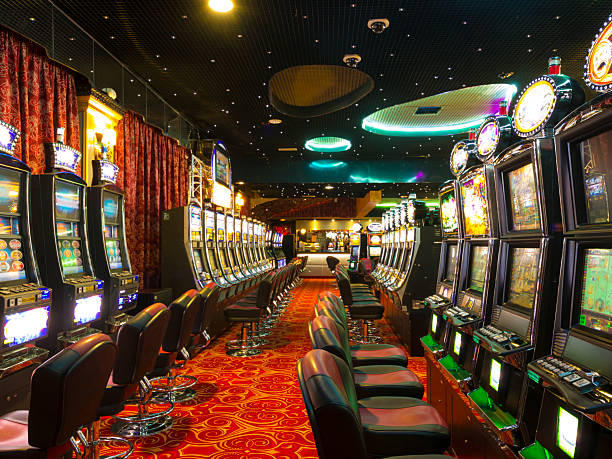
Exploring Online Gambling with Mafia Casino
Mafia Casino, launched in 2025, represents the latest innovation in the online gaming landscape, merging traditional gambling experiences with modern digital technology. With a commitment to fair play and player safety, this platform offers a comprehensive range of slots, table games, and engaging live events. Users can enjoy a thrilling gaming experience, all while benefiting from a secure and regulated environment.
New players at Mafia Casino are welcomed with enticing bonuses, including a generous 100% match on their first deposit and 200 free spins, making it an attractive choice for newcomers. The constant updates to the game library ensure that players have access to the latest and most exciting titles, while responsive customer support is available to assist with any inquiries, enhancing the overall user experience.
As the online gambling industry continues to evolve, Mafia Casino positions itself at the forefront by prioritizing innovation and customer satisfaction. Whether you’re a seasoned player or new to online gaming, this platform provides a dynamic and engaging environment that promises to deliver endless entertainment opportunities. Join today and be part of the exciting journey through the world of online gambling.